Biblical Fasting: Why Christians Fast and How to Begin
Updated: Aug 4
Jesus assumed His disciples—then and now—would fast. He said,
“When you fast, do not look somber as the hypocrites do” (Matthew 6:16)
and again:
“The days will come when the bridegroom is taken away from them, and then they will fast” (Matthew 9:15)
Fasting is not optional in the Christian life; it is an expected and vital part of our devotion to Him. It is basic Christianity—a spiritual discipline that should be part of every believer’s lifestyle, not just an occasional event.
We also live in a critical hour. Through the prophet Joel, God calls His people: “Even now,” declares the Lord, “return to me with all your heart, with fasting and weeping and mourning” (Joel 2:12). This is not just an individual call but a corporate one: “Blow the trumpet in Zion, declare a holy fast, call a sacred assembly” (Joel 2:15). By His Spirit, God is speaking the same to the Church today—it is time to fast, to humble ourselves, and to seek Him together.
Another reason is because our God is an all-consuming fire (Hebrews 12:29). Fasting does not create God’s fire; it positions us closer to Him, allowing us to encounter more of His presence and the things of the Spirit. It also burns away distractions and dullness of the flesh, increasing our spiritual sensitivity and hunger for Him. Fasting intensifies every spiritual discipline—whether prayer, worship, or study of the Word.

But let us be clear: fasting does not buy us anything in the Kingdom of God. Salvation, righteousness, and acceptance before God were fully purchased by Jesus Christ on the Cross. “It is finished” (John 19:30). Fasting adds nothing to the price already paid. Instead, fasting positions us to experience more of what Jesus has already accomplished. It opens our hearts more fully to His presence and to everything that is ours through the finished work of the Cross.
Above all, the primary reason we fast is love for Jesus and hunger to know Him more. We fast because we want to be hungrier for Him than for anything else. We set aside food so that our souls cry louder: “Jesus, You are my bread of life, You are my portion, You are enough.” This is not about earning His love—it is about responding to His love with wholehearted devotion.

Biblical Reasons to Fast
The Bible shows many reasons God’s people have fasted. Here are some of the main ones:
To humble ourselves before God (Ezra 8:21; Psalm 35:13).
Out of longing for more of Jesus (Matthew 9:15).
To return to Him in repentance (Joel 2:12).
To seek His guidance and direction (Acts 13:2–3).
To strengthen prayer and intercession (Nehemiah 1:4; Daniel 9:3).
To overcome spiritual battles (Matthew 17:21).
To prepare for ministry and breakthrough (Luke 4:1–14).
To draw closer to His presence (James 4:8).
Even when fasting feels dry or when we feel nothing is happening, God is at work in the unseen: something is taking place in the Spirit.
The Lord sees every sacrifice: all that we do and all that we avoid doing out of love for Him. Fasting is an investment into the future. Whatever we invest now, we will reap later. If nothing else, we will reap more of His presence—and that is the greatest reward of all.
Types of Fasts in the Bible
The Daniel Fast: A Biblical Partial Fast
Daniel 1:12; 10:2–3
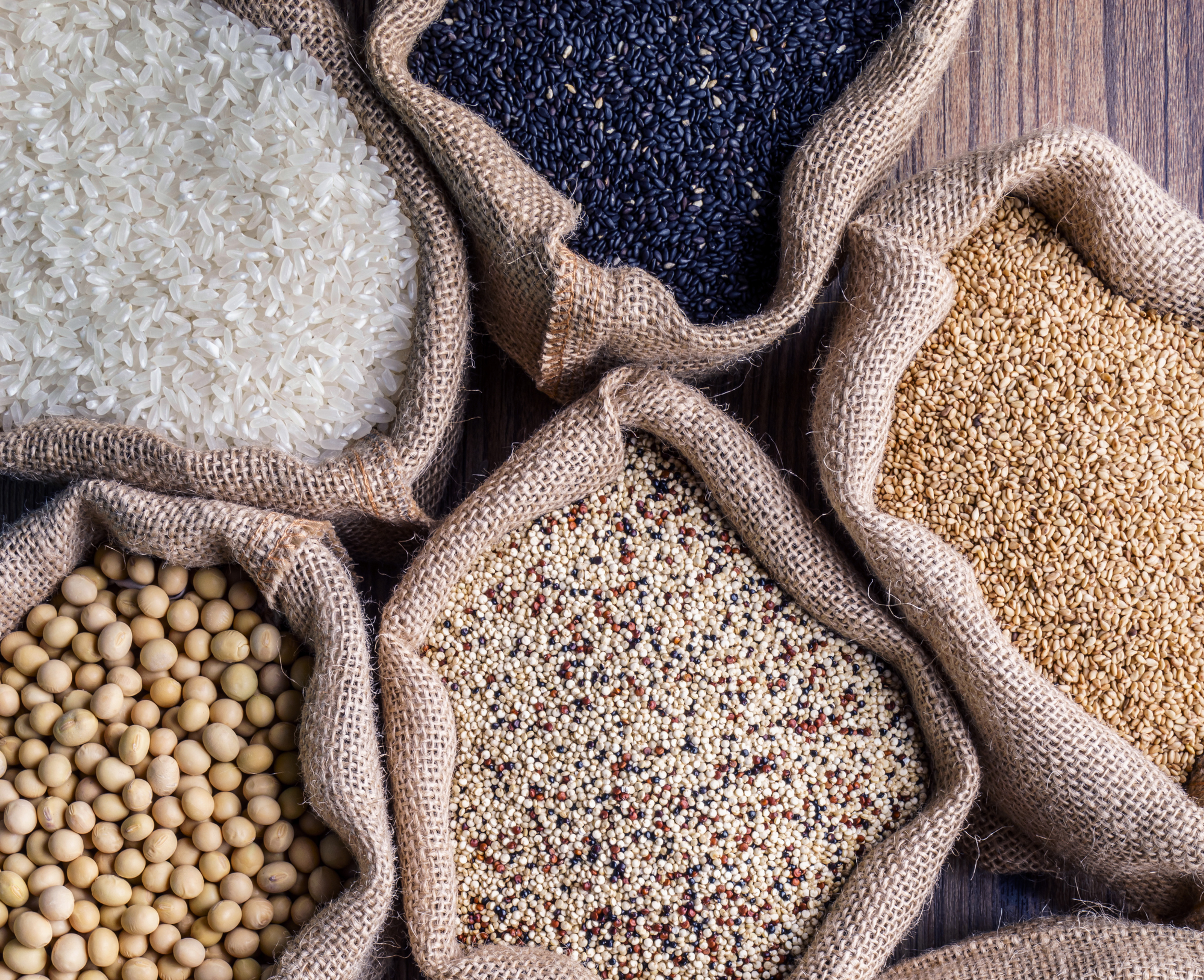
Daniel avoided rich foods, meat, and wine and ate only vegetables, legumes, and water. The Hebrew word used is zeraʿ—meaning things grown from seed (vegetables, legumes, grains, fruits). He ate vegetables and drank water only. This would have included foods like:
Lentils, beans, chickpeas, peas
Whole grains (barley, wheat, millet, oats, possibly rice) — note: modern forms are GMO, highly processed and quickly convert to sugar, so they are not recommended today
Fruits (dates, figs, grapes, pomegranates, apples, etc.)
Vegetables (onions, leeks, cucumbers, herbs, etc.)
This is a partial fast—it removes certain foods while still allowing nourishment.
Note: Sadly, some treat the Daniel fast as permission to overeat simply because the foods are “healthy,” turning a fast into a feast. Large portions of nuts, avocados, oils, or starchy vegetables can add significant calories and defeat the purpose of fasting. To keep it a true fast, focus on modest portions, simple meals, and eating with restraint and prayerful intention.
Esther’s Fast
Esther 4:16
Esther called for a complete fast—no food and no water for three days—before she took a life-or-death step. This is an absolute or dry fast and shows extreme seriousness and dependence on God. Anyone attempting to do a dry fast should first prepare with several days of clean eating, then start first as a water fast. After a minimum of 2 days, remove the water.
Cautions: An absolute fast can carry risks. Even healthy adults can become dehydrated in three days. It is not suitable for children, the elderly, pregnant or nursing women, or those with health conditions.
Keep Jesus at the Center of Your Fast
Fasting is not primarily about food, physical endurance, or completing a spiritual challenge. It is an opportunity to humble ourselves before God, remove distractions, and give greater attention to prayer, Scripture, repentance, worship, and intercession.
We do not fast to earn God’s love, purchase His favor, or prove our spirituality. Everything we receive from God was purchased by Jesus Christ through the Cross. Fasting simply helps position our hearts to seek Him more intentionally and experience more fully what He has already made available to us.
The greatest reward of fasting is not a particular answer to prayer, spiritual experience, or personal breakthrough. The greatest reward is Jesus Himself.
What Should We Do While Fasting?
Fasting should create more space for God, not simply leave an empty space where food used to be.
Use the time you would normally spend preparing and eating meals to:
Pray and wait quietly before the Lord.
Read and meditate on Scripture.
Worship Jesus.
Ask the Holy Spirit to search your heart.
Repent of anything He reveals.
Forgive those who have wounded you.
Seek reconciliation where relationships have been broken.
Intercede for your family, church, city, and nation.
Listen for God’s direction and respond in obedience.

Fasting without prayer can become little more than abstaining from food. Biblical fasting turns our attention toward God.
Fast With Humility
Jesus warned against fasting in order to be noticed by others:
“But you, when you fast, anoint your head and wash your face so that your fasting will not be noticed by people, but by your Father who is in secret; and your Father who sees what is done in secret will reward you.”—Matthew 6:17–18
Do not use fasting to compare yourself with others or to appear more spiritual.
One person may fast for a single meal. Another may fast for a day, several days, or longer. Some may practice a partial fast because of health, age, pregnancy, medication, or other responsibilities.
The important question is not:
“Is my fast as difficult as someone else’s?”
The important question is:
“Am I sincerely seeking Jesus and obeying what He is asking of me?”
Fasting Must Be Accompanied by Obedience
God is not impressed by outward fasting when our hearts remain proud, unforgiving, unjust, or rebellious.
Isaiah 58 reveals that true fasting involves more than abstaining from food. It includes turning from oppression, caring for those in need, loosening the bonds of wickedness, and living in love and righteousness.
Joel also connects fasting with a genuine return to God:
“Yet even now,” declares the Lord,“Return to Me with all your heart,And with fasting, weeping, and mourning;And tear your heart and not merely your garments.”—Joel 2:12–13
The goal is not merely an outward sacrifice. God desires a heart that is broken, surrendered, and willing to change.

As you fast, ask the Lord:
Is there anyone I need to forgive?
Is there someone from whom I need to ask forgiveness?
Is there a sin I have been excusing?
Is there an area of my life I have refused to surrender?
Is there someone I should help?
Is there an act of obedience I have delayed?
True fasting should produce greater love for God and greater obedience to Him.
Do Not Replace One Distraction With Another
It is possible to stop eating while continuing to fill every quiet moment with social media, entertainment, news, work, or other distractions.
Consider reducing anything that continually occupies your mind and keeps you from being attentive to God.
This may include:
Social media.
Television and entertainment.
Unnecessary internet use.
Excessive news consumption.
Shopping.
Games.
Activities that consume large amounts of time.
Conversations that encourage gossip, criticism, or spiritual dullness.
The purpose is not simply to give up things. It is to make room for Jesus.
Fast With Others When Possible
Fasting is deeply personal, but Scripture also shows entire communities fasting together.
Joel called for a sacred assembly. Esther asked the Jewish people to fast together. In Acts, church leaders worshiped and fasted as they sought direction from the Lord.
Families, small groups, churches, and ministries can agree to seek God together while allowing individuals to choose the form of fasting appropriate for them.
Corporate fasting can help create:
Unity.
Shared spiritual hunger.
Reconciliation.
Stronger intercession.
Greater sensitivity to God’s direction.
A collective response of repentance and obedience.
However, no one should be pressured, condemned, or treated as less spiritual because of the form or length of their fast.
How Should You Begin?
Set aside time before the Lord and ask Him how He wants you to fast. Choose a form and duration that allows you to seek Him sincerely and responsibly.
Before beginning:
Identify your spiritual purpose.
Decide when the fast will begin and end.
Set aside specific times for prayer and Scripture.
Remove unnecessary distractions.
Prepare your family or household when needed.
Write down the people and situations for which you will pray.
Ask God to reveal anything that must change in your life.
Do not wait until you feel perfectly prepared. Begin with humility and faith.
A Prayer Before You Begin
"Jesus, You are the Bread of Life and my deepest need. I do not fast to earn Your love or prove my devotion, but because I desire to know You more. As I fast, search my heart and reveal anything that grieves You. Give me grace to repent, forgive, obey, and surrender every area of my life to Your leadership. Remove distractions, deepen my hunger for Your presence, and teach me to hear Your voice more clearly. Let this fast produce lasting fruit in my life, my family, my church, and those for whom I am praying. Jesus, be the center, the purpose, and the reward of my fast. Amen."
Do You Want to Water Fast?
This page focuses on the spiritual and biblical purpose of fasting.
For practical information about preparation, hydration, physical effects, warning signs, and how to break an extended fast, read our separate resource:
Join the 21 Days of Consecration
Join followers of Jesus around the world for 21 Days of repentance, fasting, prayer, unity, and consecration, starting on September 11th this year.
During these twenty-one days, individuals, families, churches, ministries, and Christian communities will seek God together, return to their first love, and prepare their hearts to become dwelling places for His presence.
When you register, you will receive access to the complete 21-Day Guide and all the available biblical resources in our library.
